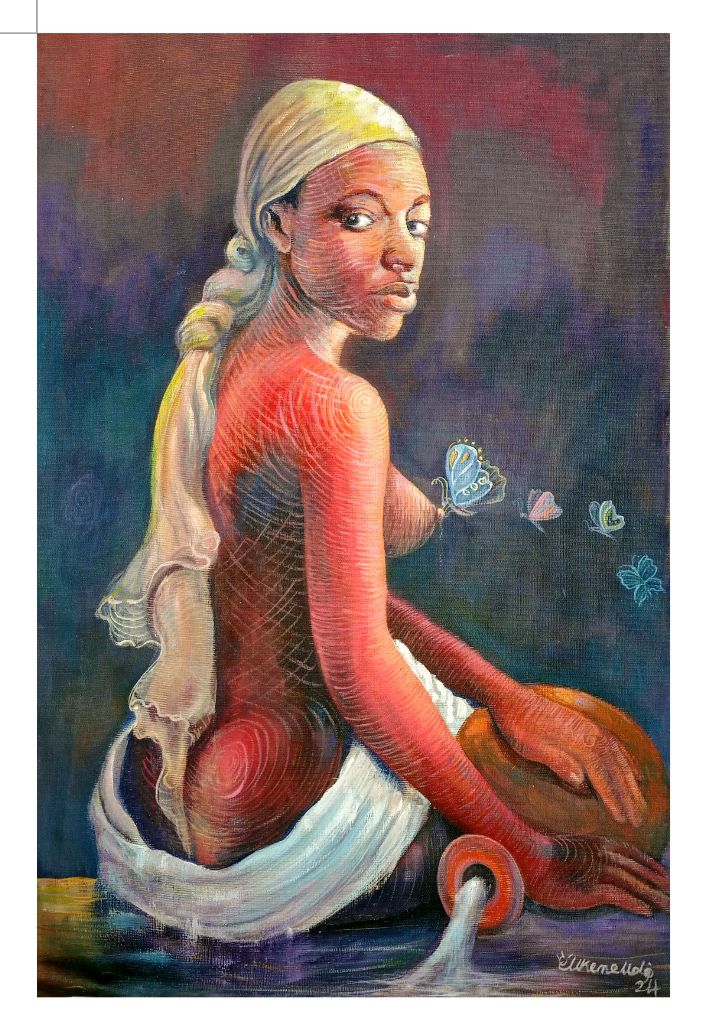
The vessel of renewal
Ukeme Udo
$850.00
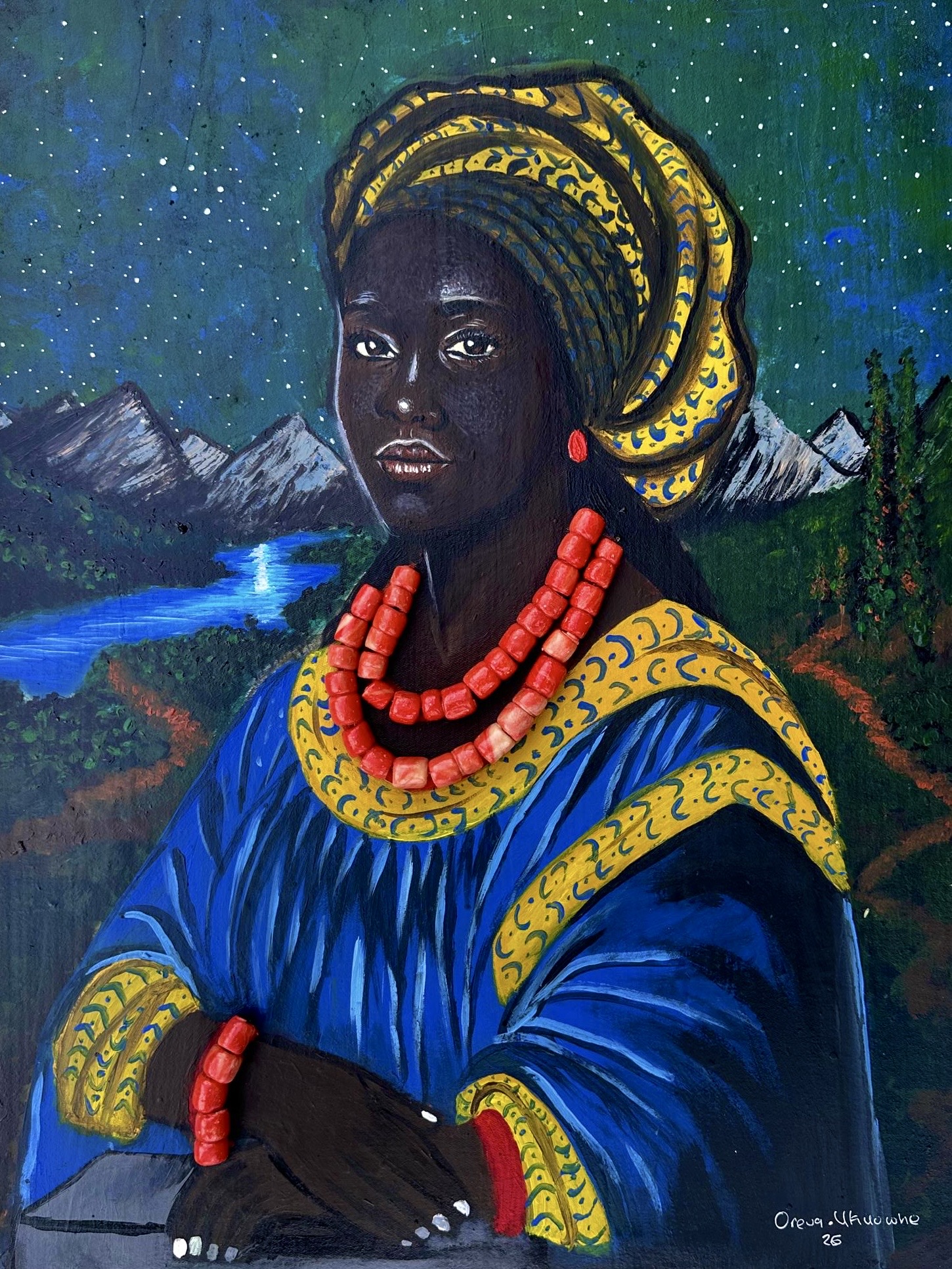
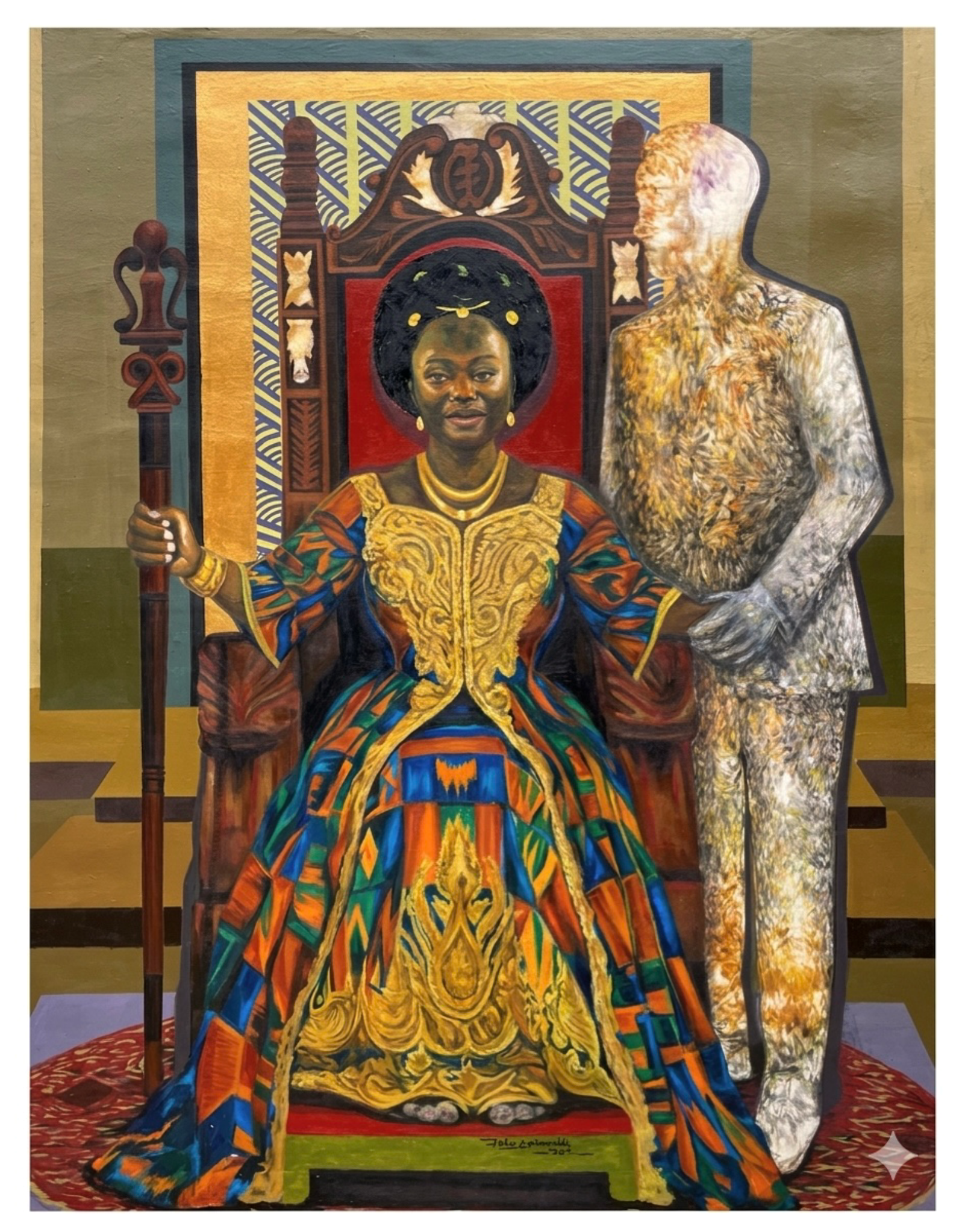
The woman wears a pale head covering and a... Read More
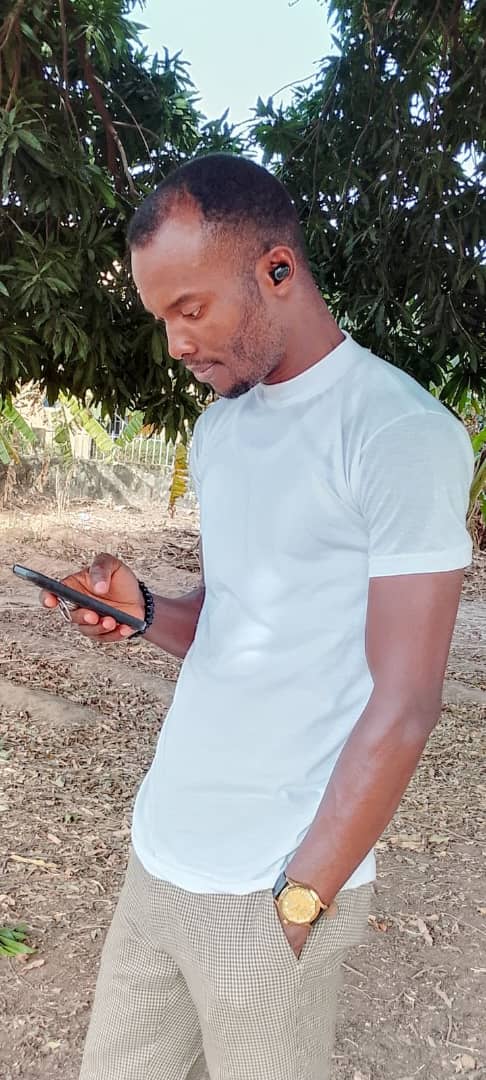
Ukeme Udo
0 Followers
ARTIST BIOGRAPHY
I am Ukeme Udo a Nigerian painter, my expressionistic portraits and figurative compositions explore identity, culture, and the visual narratives of the African diaspora. Working from Akwa Ibom State, Nigeria, my practice merges Western pictorial traditions with Afro-contemporary aesthetics, creating works defined by emotive brushwork, symbolic detail, and elaborate, dignified poses.
I studied Fine and Industrial Arts at the University of Uyo, graduating with a B.A. in Painting in 2024. I completed my National Youth Service at the Nigerian Military School, Zaria, where I taught Cultural and Creative Arts. A full-time studio artist, I remain committed to expanding my technical and conceptual vocabulary through continuous experimentation.
My work interrogates and reclaims cultural identity, challenging historical stereotypes while celebrating the richness, resilience, and beauty of African traditions. Through my bold visual language, I position my art as an act of cultural affirmation and a form of visual redemption.
ARTIST STATEMENT
My practice explores art as a spiritual act and a tool for cultural remembrance. Working primarily with painting and symbolic imagery, I engage African history, spirituality, and tradition as living forces that continue to shape identity and value.
I approach image-making as a ritual of alignment, guided by intuition and ancestral memory. Recurrent symbols such as cowries, salt, bones, red clothes, pots, calabash, birds, restrained color palettes, and figures in moments of tension or transition operate as visual languages rather than decoration.
Each work functions as a witness—restoring narratives that were interrupted or silenced, and questioning how culture survives erasure. This work is both offering and archive: a quiet act of remembrance, responsibility, and restoration.